Move your marketing strategies to the side. You don’t need another formula or a new performance marketer hiring, you need a Customer Relationship Management (CRM) system that will show you all the important factors that make your marketing strategies fail and make you lose millions in business. Here’s a quick guide for you, brought by Sharp AI CRM, to help you make informed choices.
Keep scrolling to find answers to your questions.
What is CRM for Tech Companies?
For technology companies, a CRM (Customer Relationship Management) system is more than just a tool it’s a strategic solution that brings together customer data (like interactions, purchases, and preferences) into one unified system. This helps streamline processes across sales, marketing, and customer support.
By offering personalized experiences, efficient lead nurturing, and data-driven insights, a CRM is essential for boosting customer loyalty, increasing revenue, and navigating the complexity of the tech industry. It aligns all teams around a single view of the customer, transforming the entire customer journey from initial contact to post-purchase support.
Quick Review of the 5 Best CRM for IT and Tech, Industry-Wise
Why is CRM for Tech Companies Crucial?
When it comes to technology companies, Customer Relationship Management (CRM) is an essential tool that helps streamline complex operations, drive customer satisfaction, and enhance growth.
With CRM, tech companies can centralize their data, automate processes, and improve customer engagement, leading to more efficient operations and better customer relationships.
Managing Complex Sales Cycles
In the tech industry, sales cycles can be long and involve many decision-makers. CRM systems allow tech companies to track every step of the process, ensuring that all interactions, proposals, and meetings are accounted for, helping sales teams stay on top of high-value leads and opportunities.
Driving Data-Driven Product Development
By consolidating customer feedback, usage data, and support interactions, CRM tools provide valuable insights into customer preferences and pain points. This helps tech companies refine their products, create new features, and stay competitive in a constantly evolving market.
Delivering Personalized Experiences
With a CRM, technology companies can segment their customer base, personalize communications, and tailor their marketing strategies. This personalized approach helps to build strong relationships, fostering higher customer satisfaction and loyalty.
Enhancing Collaboration Across Teams
Tech companies often have multiple departments that need to work together. CRM acts as a central hub for customer data, ensuring that sales, marketing, product development, and support teams all have the same real-time information, leading to more coordinated efforts and seamless customer experiences.
Providing Proactive Customer Support
CRMs allow support teams to anticipate customer needs by offering a complete view of each customer’s history. This enables faster resolutions and more effective customer service, reducing churn and improving retention rates.
Boosting Efficiency with Automation
CRM systems automate repetitive tasks such as data entry, follow-ups, and lead scoring. This automation frees up employees’ time to focus on strategic tasks, allowing them to build relationships and drive business growth.
Supporting Growth and Scalability
As technology companies scale, their customer base and data volume grow. Cloud-based CRM solutions provide the flexibility to scale and add new users or features without disrupting existing systems, ensuring that the CRM grows along with the business.
By implementing a CRM for tech companies can achieve streamlined sales processes, enhance customer service, and build stronger, long-lasting relationships with their clients. Whether you’re looking to drive innovation, improve support, or boost efficiency, CRM is a game-changer for tech companies.

Key Benefits of CRM for Tech Companies
For technology companies, a Customer Relationship Management (CRM) system is essential for organizing and managing all customer data. It allows businesses to centralize customer interactions, purchases, and preferences, streamlining processes across sales, marketing, and customer support.
By enabling personalized experiences, improving service quality, and automating lead nurturing, CRM software helps businesses make data-driven decisions that increase customer loyalty and revenue. This system provides a single, unified view of the customer, ensuring every touchpoint—from initial contact to long-term support—is optimized.
Centralized Customer Data
A CRM stores all customer information contact details, support tickets, purchase history, and interactions in one central place, easily accessible by sales, support, and marketing teams.
Sales Pipeline Management
The system tracks leads as they move through the sales funnel, helping teams forecast and identify bottlenecks that slow down deal closures.
Automated Workflows
CRM tools automate time-consuming tasks such as follow-up emails, lead scoring, and support ticket management, freeing up team members to focus on high-priority activities.
Personalized Engagement
By using customer data, CRM systems help craft targeted marketing messages and recommend products that meet specific customer needs, leading to improved customer satisfaction.
Enhanced Customer Support
Support teams can access detailed customer histories and sentiment data, enabling faster, more personalized responses and resolving issues efficiently.
Data Analytics
CRM software analyzes customer behavior, revealing valuable insights into trends and helping businesses predict future needs, which is crucial for evolving tech products.
Social CRM
A CRM tool tracks social media mentions, feedback, and emerging trends, helping companies stay proactive in their engagement and gain deeper insights into customer preferences.
Faster Onboarding
New team members can quickly get up to speed with complete customer histories, thanks to CRM’s centralized database, improving training efficiency and ensuring smooth transitions.
Predictive Insights Powered by AI
AI-enabled CRM systems can predict customer needs and behaviors, helping tech companies anticipate future demands and create strategies that drive product adoption and customer engagement.
Seamless Integrations with Other Tools
Tech companies often use a variety of tools for support desks, marketing, and analytics. A good CRM integrates seamlessly with these systems, unifying the tech stack and enhancing operational efficiency.
Focus on Innovation
By automating operational tasks, CRM systems give tech teams the freedom to focus on innovation, product development, and other high-value activities. This allows companies to stay competitive in fast-paced markets.
Ultimately, a CRM system for technology companies is not just a contact database—it’s the backbone of customer-facing operations, providing the insights and tools needed to optimize every interaction, drive growth, and ensure customer satisfaction.
Factors to Consider When Choosing CRM for IT Industry
Choosing the right CRM for your technology business is critical for streamlining operations, enhancing customer relationships, and supporting growth. When selecting a CRM system, consider factors like scalability, seamless integration with your existing software stack, automation capabilities, and strong data security.
The right CRM should help manage customer data, automate workflows, and support your business goals. Here’s what to focus on when choosing a CRM that aligns with your tech company’s needs:
-
Define Your Business Goals and Needs
First, understand what you want to achieve whether it’s improving sales, increasing customer retention, or providing better support. Mapping out your current processes helps identify gaps a CRM can fill.
-
Scalability
Choose a CRM that can scale with your business as it grows. It should be able to handle increasing users, more data, and more complex needs as your company evolves.
-
Integration Capabilities
The CRM should integrate smoothly with your existing tools like email, ERP systems, development tools, and marketing platforms to ensure data consistency and streamline workflows.
-
Automation Features
Look for CRM systems that offer automation for sales, marketing, and customer service tasks. AI-powered features like predictive analytics and automated workflows can significantly improve productivity.
-
Customization and Flexibility
Tech businesses often have unique processes. The CRM should allow customization of fields, workflows, and features to fit the specific needs of your business, such as managing the product lifecycle or development process.
-
Ease of Use and Adoption
A CRM should be user-friendly, especially for tech teams who might not want to spend time learning a complex system. If it’s difficult to use, your team might not adopt it, reducing its effectiveness.
-
Data Security and Compliance
Data security is crucial for protecting client and company data. Make sure the CRM complies with industry regulations like GDPR and has strong security measures in place.
-
Advanced Reporting and Analytics
A CRM should provide in-depth reporting and analytics tools, enabling you to track sales performance, customer behavior, and revenue trends, which will help guide business decisions.
-
Mobile Access
As many tech companies have remote or field teams, it’s important that the CRM supports mobile access to keep your team connected and productive from anywhere.
-
Vendor Support and Training
Evaluate the level of support provided by the CRM vendor, including implementation assistance, onboarding resources, and ongoing customer service.
-
Total Cost of Ownership
Consider the full cost of owning and maintaining the CRM, including licensing fees, setup costs, training expenses, and ongoing maintenance.
By considering these key factors, you can select a CRM that supports your tech company’s unique needs, helping drive efficiency, collaboration, and growth. Whether it’s automating processes, improving customer engagement, or providing valuable data insights, the right CRM will be integral to your business success.
Top CRM Solutions for IT and Technology Companies in 2025
In 2025, choosing the right CRM for IT and technology companies is critical to managing customer relationships, improving sales, and driving business growth. The best CRM platforms for tech companies offer a balance of powerful features, scalability, and seamless integration with your existing software. Whether you’re a startup or a large enterprise, there is a CRM that can meet your specific needs, optimize your sales cycle, and provide data-driven insights.
- Sharp AI CRM– best for small agencies
- Zoho CRM – best for established businesses with large client lists
- Pipedrive – best for client and partner collaboration
- monday CRM – best for customisable dashboards
- Hubspot CRM – best for building email marketing campaigns
- Zendesk – best for fast-paced sales cycles
- Salesforce – best for fast-growth startups
Click on the links above for more information about our top-rated CRM software options.
Sharp AI CRM
Specifically designed for tech companies, Sharp AI CRM combines AI-driven insights, predictive analytics, and automation to streamline workflows and enhance customer engagement, helping businesses scale and improve operational efficiency.

Salesforce Sales Cloud
Known for its customizability, Salesforce offers deep AI-driven insights, a robust set of integrations, and features designed for large enterprises with complex customer relationships and sales cycles.
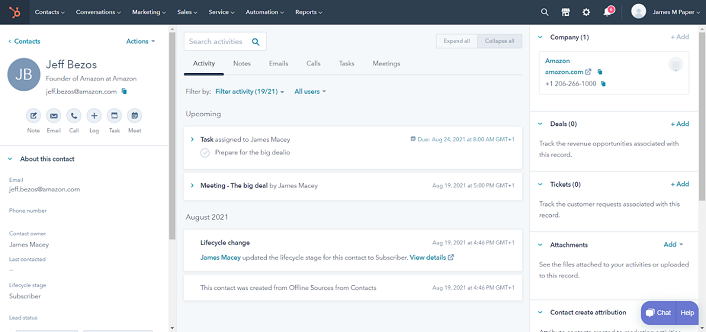
HubSpot CRM
Ideal for startups and small to mid-sized businesses (SMBs), HubSpot excels in connecting sales, marketing, and customer service with intuitive tools and offers a great free tier for growing companies.
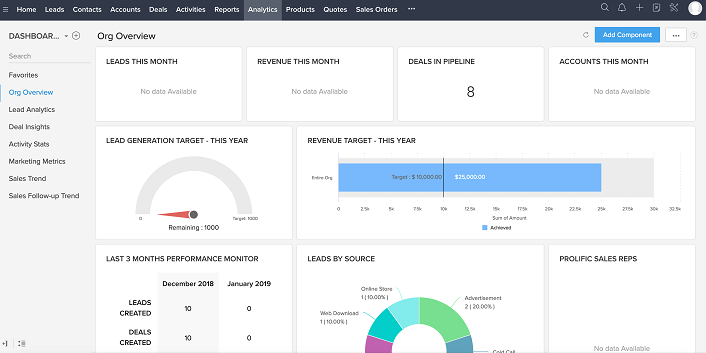
Zoho CRM
A versatile, cost-effective platform with powerful AI analytics. Zoho CRM is perfect for tech companies looking to scale and improve their sales pipeline with a range of useful tools for customer relationship management.
Creatio
Best for managing the entire customer lifecycle and automating processes. It helps tech companies manage complex customer journeys, ensuring a smooth experience from initial contact through to long-term loyalty.
Pipedrive
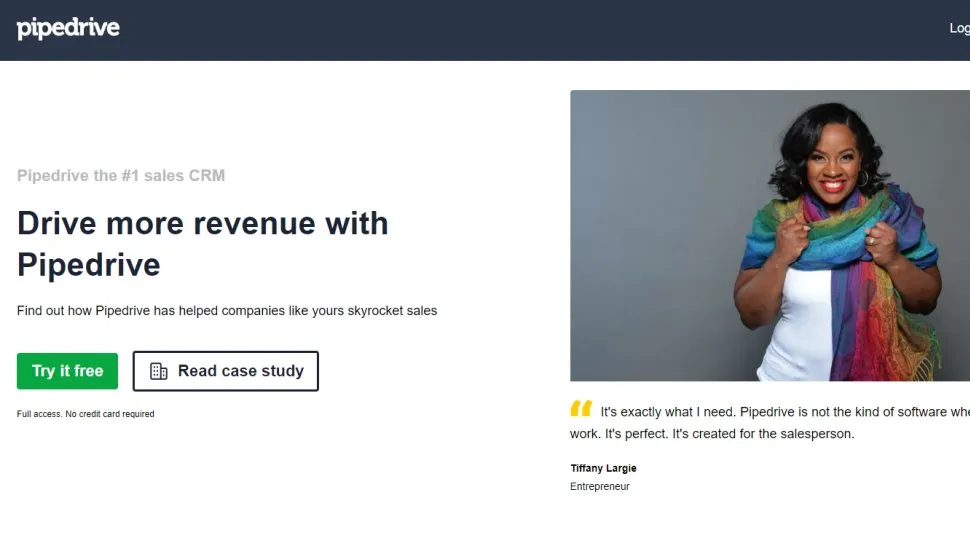
This CRM is highly focused on managing sales pipelines visually, making it easy for tech sales teams to track and close deals efficiently. Pipedrive also provides strong automation features that enhance productivity.
Freshsales (by Freshworks)
Known for its strong communication features, Freshsales is great for sales managers who need streamlined tools for customer interactions and sales management.
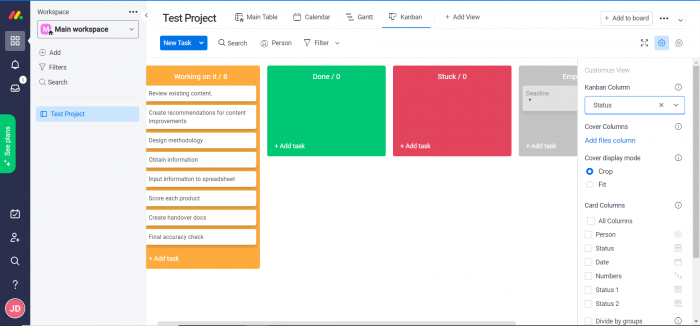
Monday Sales CRM
Combining CRM with project management features, Monday.com is perfect for tech teams needing integrated workflows and better collaboration across departments.
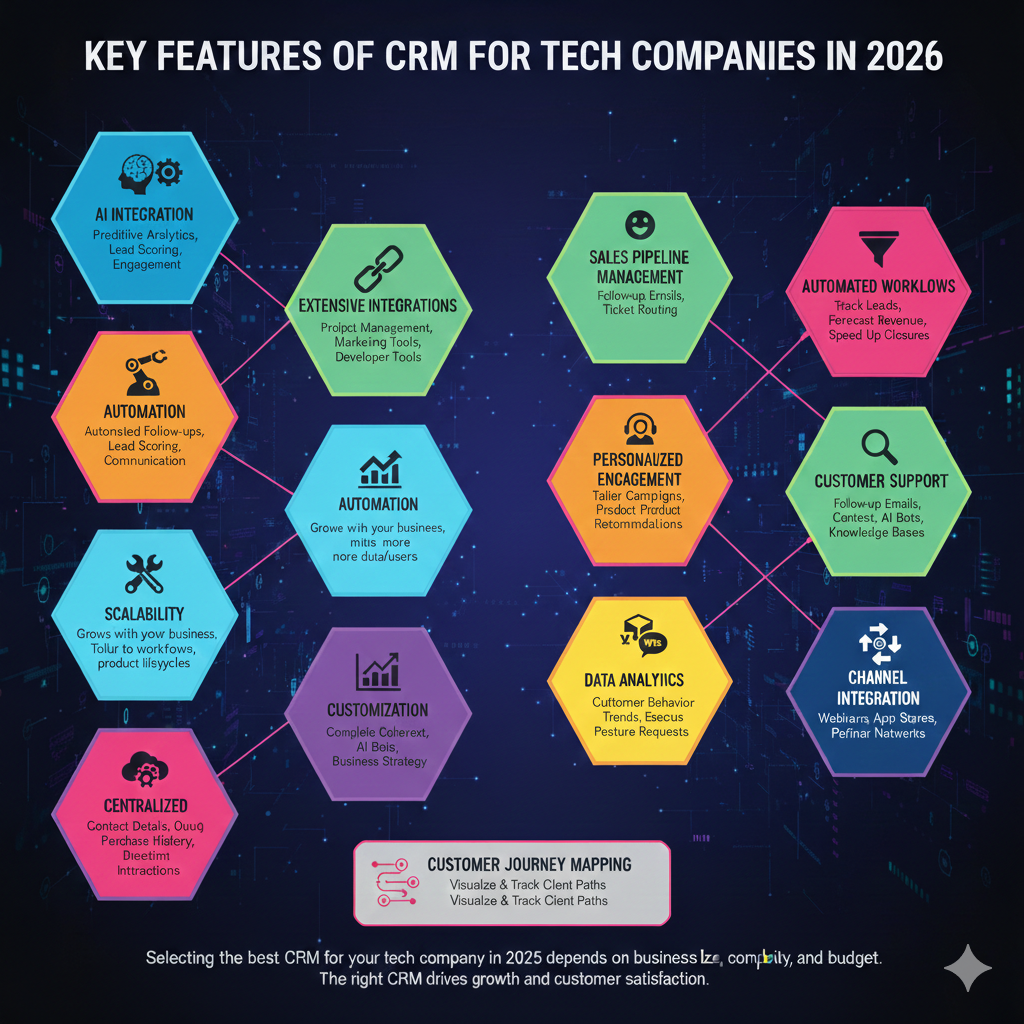
Key Features of CRM for Tech Companies in 2025:
AI plays a crucial role in CRM for tech companies, helping with predictive analytics, lead scoring, and personalized customer engagement, which ultimately drives better results and higher conversions.
How CRM for Tech Companies Helps for Scalability and Growth
CRM plays a critical role in helping tech companies scale and grow by streamlining operations, improving customer relationships, and driving smarter business decisions. By centralizing customer data and automating key processes like sales and marketing, CRM systems allow businesses to enhance efficiency, increase revenue, and reduce the need to scale up headcount as they grow. A well-implemented CRM solution creates a seamless experience across teams, fostering collaboration and delivering personalized services at scale.
Centralized Data for a Unified Customer View
CRM centralizes all customer data, including interactions, preferences, and history, allowing all teams (sales, marketing, and support) to work with the same accurate, up-to-date information. This eliminates data silos and ensures that everyone is on the same page, improving customer interactions.
Boosted Sales Efficiency
CRM automates lead scoring, nurturing, and follow-ups, enabling sales teams to focus their energy on high-potential leads. This automation reduces the time spent on manual tasks, speeding up the sales process and increasing conversion rates.
Personalized Marketing at Scale
With a CRM, tech companies can segment their audience based on detailed data, creating personalized marketing campaigns that resonate with customers. This targeted approach helps reduce churn, increase customer loyalty, and generate better results from marketing efforts.
Streamlined Operations & Workflows
CRM systems automate routine tasks like email scheduling, data entry, and follow-ups. By doing this, CRM solutions free up valuable time for employees to focus on strategic and high-value tasks, keeping operations efficient and agile.
Enhanced Customer Support
A CRM gives customer support agents a full view of a customer’s history, enabling them to resolve issues faster and more effectively. This leads to improved customer satisfaction, higher loyalty, and long-term retention.
Data-Driven Decision Making
With CRM analytics and reporting, companies can gain deep insights into customer behavior, sales performance, and team efficiency. This data-driven approach helps businesses make informed decisions and adjust strategies to improve performance.
Scalability and Flexibility
Cloud-based CRM systems are scalable, allowing companies to easily add new users, features, and capabilities as their business grows. This flexibility ensures the CRM can support the company’s expansion without needing a complete overhaul of systems.
Improved Collaboration Across Teams
CRM breaks down silos between departments, ensuring marketing, sales, and customer support teams have access to the same customer data. This fosters better communication, enabling seamless coordination and improved customer service.
Look at your sales team. Are they using spreadsheets? Congratulations, you just handed your clients to your competitors on a silver platter. Avoid shooting yourself in the foot and book a demo with Sharp AI. If you want to grow your business and have the best clients in your portfolio, skip spreadsheets and get Sharp AI CRM to make the right call at the right time.